
Entertainment
‘Buhari Executed My Brother With Retroactive Law’, Nollywood Actor Nkem Owoh Recounts

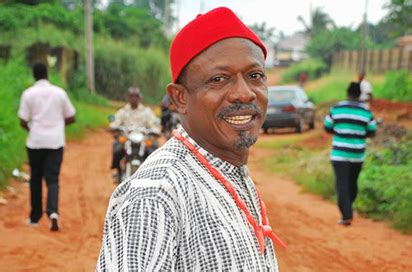
Veteran Nollywood actor, Nkem Owoh, popularly known as Osuofia, has spoken out about the execution of his older brother, Bartholomew Owoh, under the then military regime of General Muhammadu Buhari, describing it as one of the most painful moments of his life.
Bartholomew Owoh was one of three young Nigerian executed by a firing squad on April 10, 1985, by the Buhari military regime.
He was executed alongside Lawal Ojuolape and Bernard Ogedengbe for drug-related offences that were not originally punishable by death at the time they were committed.
Speaking in an interview on the Arise News Channel’s ‘The Interview’, aired Thursday, the veteran actor recounted the traumatic experience and how it shaped his view of justice during Nigeria’s military era.
“I was working with the Anambra Television that time, and I was so furious that I was shedding tears along the corridors,” he recalled.
Osuofia expressed his bitterness over the fact that the military regime had retroactively applied a new decree to impose the death penalty on offences committed before the decree came into effect.
“In fact, the thing that touched me most is that they had to shift the effective date of that decree,” he said. “You know, during the military era, they can just get out one decree and the next minute, it’s in operation.”
“So for them to backdate it to involve or include people who did not commit the offence within their own regime, but years back, I was very bitter.”
Nkem Owoh questioned the moral and legal basis of the decision to backdate the law, which ultimately cost his brother and others their lives.
“Why would it be shifted back to include people who didn’t commit the offence before the decree?” the Nollywood actor asked.
-Leadership
Education
NFVCB Boss Urges Stronger Distribution Channels As Coal City Film Festival 2026 Opens In Enugu
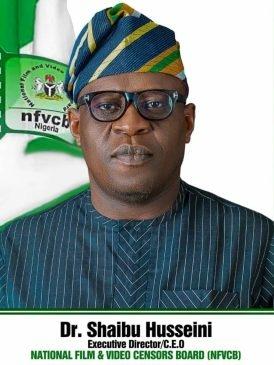
The Executive Director/Chief Executive Officer of the National Film and Video Censors Board (NFVCB), Dr Shaibu Husseini, has called for stronger distribution frameworks within Nigeria’s film industry to ensure that locally produced content achieves global visibility.
Dr Husseini made this call while delivering the keynote address at the opening ceremony of the 2026 edition of the Coal City Film Festival, held in Enugu.
Welcoming participants to the festival, Dr Husseini expressed his personal delight at hosting the event in Enugu, his birth state, noting the city’s rich cultural heritage and longstanding contributions to Nigeria’s creative landscape.
He commended the festival organisers, particularly the Festival Director, Uche Agbo, for their resilience and commitment in sustaining the initiative.
According to him, the Coal City Film Festival has grown into a significant cultural platform and a must-attend cinematic event in South East Nigeria.
Speaking on the festival’s theme, “Local Stories, Global Screens,” Dr Husseini emphasised the importance of authenticity in storytelling. He noted that films rooted in local realities, languages, and cultural truths often resonate more strongly with global audiences.
He cited notable Nigerian productions such as “King of Boys” by Kemi Adetiba, “The Wedding Party” by Mo Abudu, “Anikulapo” by Kunle Afolayan, “Black Book” by Editi Effiong, and “Lionheart” by Genevieve Nnaji as examples of culturally grounded stories that have gained international recognition on platforms such as Netflix and at global film festivals.
While acknowledging the growth in film production across Nigeria, the NFVCB boss identified distribution as a major bottleneck in the industry. He observed that many high-quality films struggle to reach audiences both locally and internationally due to limited distribution channels.
Dr. Husseini therefore urged film festivals across the country to evolve beyond networking platforms into active marketplaces where filmmakers can secure distribution deals. He stressed that festivals must attract distributors, exhibitors, streaming platforms, and marketers to create tangible opportunities for filmmakers.
“Film festivals must become gateways to distribution where filmmakers leave not just with applause, but with real opportunities,” he said.
Reaffirming the Board’s commitment to industry development, Dr. Husseini stated that the NFVCB has continued to reposition itself as a partner in progress by engaging stakeholders, improving classification processes, and promoting a balance between creative freedom and social responsibility.
However, he raised concerns over increasing non-compliance with regulatory requirements, noting that some filmmakers bypass the Board by releasing unclassified films or operating without proper licensing.
He reiterated that all films and video works must be submitted to the NFVCB for classification and registration before being released on any platform, including digital platforms such as YouTube.
“This is a legal obligation, and the Board will not hesitate to take decisive action against defaulters,” he warned, adding that regulation is essential for protecting the industry, audiences, and national values.
Looking ahead, Dr. Husseini assured stakeholders of the Board’s continued collaboration with filmmakers and festival organisers to build a structured, sustainable, and globally competitive Nigerian film industry.
He concluded by commending the organisers of the Coal City Film Festival for their vision and contribution to Nigeria’s cultural economy, urging filmmakers to continue telling authentic stories that can resonate across global screens.
-Leadership
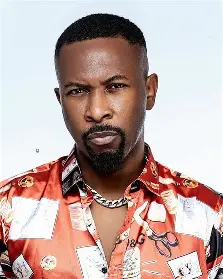
Veteran rapper Michael Ugochukwu Stephens, popularly known as Ruggedman, has criticised the use of “Afrobeats” as a catchall term for all African music, calling it misleading.
In a recent interview with Day Genius, the rapper argued that the term is often used to group artistes who lack real talent and rely only on catchy beats.
The rapper also claimed that many artists in this category struggle with live performances and freestyling because they depend too much on autotune and studio effects.
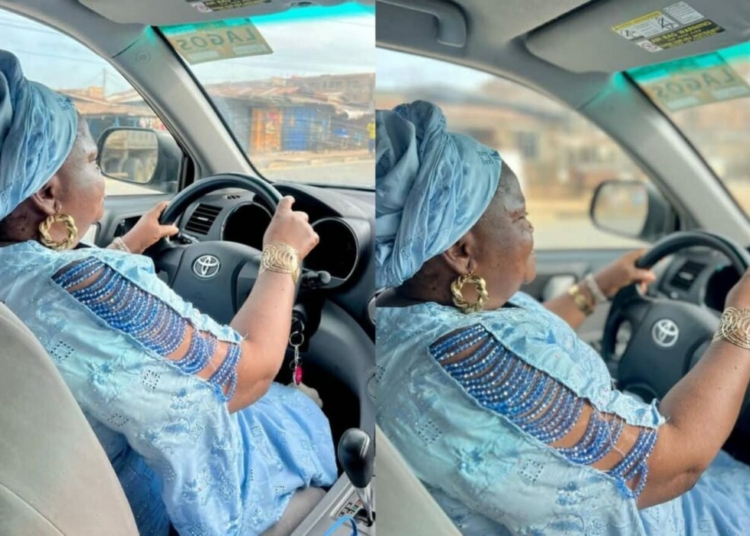
Nollywood actress and comedian, Kudirat Abeniade Soremi, popularly known as Mama No Network, has bought a new car.
She posted on her Instagram page and shared pictures of her new car, congratulating herself.
“Congratulations to me. Your car is next in line for Jesus.
May the celebration never cease in our home. May God surround me and you with people who genuinely love and celebrate God’s gift in your life,” she posted.
Her colleagues and fans congratulated her on this feat. Rejoicing with her, Bimpe Akintunde wrote, “Congratulations, Iye mi
The actress is known for playing a deaf woman and mother in the Yoruba movie industry.
Last year, she was conferred with a chieftaincy title in Texas Ijebuland, which is (Yeye Owu Ojuwo of Ijebuland)
-Leadership

NFVCB Boss Urges Stronger Distribution Channels As Coal City Film Festival 2026 Opens In Enugu

Wike Reaffirms Nigeria–EU Ties, Moves To Reclaim Encroached Diplomatic Lands

Inspector-General Disu Submits 75-Page Framework On ‘State Police’ To Senate As Push Gains Momentum

5 Life Lessons from Manchester City EPL Current woes

Liverpool Announce Jürgen Klopp Return To The Club

MTN Teams Up With Meta To Boost WhatsApp Call Quality


-
 Health12 months ago
5 Life Lessons from Manchester City EPL Current woes
-
 Sports12 months ago
Liverpool Announce Jürgen Klopp Return To The Club
-
 Business12 months ago
MTN Teams Up With Meta To Boost WhatsApp Call Quality
-
 News12 months ago
Commonwealth Observers Prepare For Gabon Presidential Election
-
 Health12 months ago
Ponzi Scheme CEO Francis Uju Udoms of Addfx Case still Unresolved Despite SEC certification
-
 News12 months ago
Chibok Girls: 11 Years Of Anguish, Broken Promises
-
 News12 months ago
Wike’s Enviable Road Construction Method along Nyanya- Maraba Highway
-
 News9 months ago
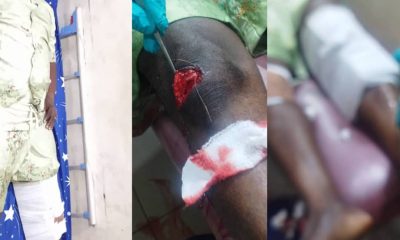
NASRE Promises Support To Daily Times Group Business Editor, Oseni, Over Serious Road Accident