
Health
KWAM 1 And 2 Were Successful


I don’t like conspiracy theorists. They make you think of so many things, including impossible ones. But sometimes their truth is wrapped, and it takes an extra effort to unpack to see the main content. This is what I hold against conspiracy theorists because they are influenced by logical fallacies, where they begin with what they are trying to end with. A conspiracy theorist could speculate that the recent security breaches at the airport are part of a larger plan to breach aviation security in the country. Do we agree?
It started with “Kwam 1”, then we labelled the second incident in our usual playful manner as “Kwam 2”. I heard there is a “Kwam 3” version already. And the joke continued. As funny as it may sound, all of these episodes pointed in one direction. Our aviation security system is on life support. The effrontery to stop an aircraft from taking off and the resort to brute force to deboard an unruly passenger exposed something very fundamental that should not be treated with kid gloves. It is an indication of unpreparedness in responding to security threats as they present themselves in the aviation sector.
I will start with “Kwam 1”. He attempted to prevent an aircraft from flying because he was denied boarding for having a flask with an unknown content. He protested and had his way until the pilot decided to call off his bluff. Sensing danger, he retreated and dodged the wing of the moving aircraft. The ability to prevent an aircraft from taking off, even for a minute, is a grave security breach. Even though there were airline ground staff with him, all they did was try to persuade him to leave. That wasn’t an effective strategy. It was a lame-duck duck, and that’s why the episode generated so much attention. Had he been demobilized with an electroshock weapon, the drama of standing in front of an engine-running aircraft ready to taxi would not have happened in the first place. There was also the possibility of the incident disorienting the pilot throughout the flight, putting the lives of all passengers on that flight at risk.
“Kwam 2” was even more dramatic. She was forcefully removed from the aircraft like a criminal. In that moment of rage, anything could happen, including damaging the aircraft. She was dragged on the floor and down the exit stairs of the aircraft, with her privacy avoidably violated. She revolted and was able to sustain her position for a while. The ensuing commotion was enough for any non-state actor to take advantage of because unauthorized persons found their way to the tarmac. That was also a grave security breach.
Leadership Newspapers
KWAM 1 And 2 Were Successful
By Joshua Ocheja 6 hours ago
I don’t like conspiracy theorists. They make you think of so many things, including impossible ones. But sometimes their truth is wrapped, and it takes an extra effort to unpack to see the main content. This is what I hold against conspiracy theorists because they are influenced by logical fallacies, where they begin with what they are trying to end with. A conspiracy theorist could speculate that the recent security breaches at the airport are part of a larger plan to breach aviation security in the country. Do we agree?
Advertisement
It started with “Kwam 1”, then we labelled the second incident in our usual playful manner as “Kwam 2”. I heard there is a “Kwam 3” version already. And the joke continued. As funny as it may sound, all of these episodes pointed in one direction. Our aviation security system is on life support. The effrontery to stop an aircraft from taking off and the resort to brute force to deboard an unruly passenger exposed something very fundamental that should not be treated with kid gloves. It is an indication of unpreparedness in responding to security threats as they present themselves in the aviation sector.
I will start with “Kwam 1”. He attempted to prevent an aircraft from flying because he was denied boarding for having a flask with an unknown content. He protested and had his way until the pilot decided to call off his bluff. Sensing danger, he retreated and dodged the wing of the moving aircraft. The ability to prevent an aircraft from taking off, even for a minute, is a grave security breach. Even though there were airline ground staff with him, all they did was try to persuade him to leave. That wasn’t an effective strategy. It was a lame-duck duck, and that’s why the episode generated so much attention. Had he been demobilized with an electroshock weapon, the drama of standing in front of an engine-running aircraft ready to taxi would not have happened in the first place. There was also the possibility of the incident disorienting the pilot throughout the flight, putting the lives of all passengers on that flight at risk.
“Kwam 2” was even more dramatic. She was forcefully removed from the aircraft like a criminal. In that moment of rage, anything could happen, including damaging the aircraft. She was dragged on the floor and down the exit stairs of the aircraft, with her privacy avoidably violated. She revolted and was able to sustain her position for a while. The ensuing commotion was enough for any non-state actor to take advantage of because unauthorized persons found their way to the tarmac. That was also a grave security breach.
These two unpleasant events have exposed some defects in the aviation security strategy. The videos are all over the internet. Sadly, social media is an unregulated space. According to the Sultan of Sokoto, social media is a “terrorist organization”. He made a strong point with his assertion. I agree with him. The social media space is not just a place for sharing information. It is also a place for gathering information for positive or negative purposes. The social media space can make or mar you. It can also threaten national security. Do we remember the infamous September 11 attacks in the United States of America? The four hijacked aircraft were on domestic routes. Those who hijacked the planes didn’t just jump onto the plane. They watched carefully, noticed some security lapses, tested the lapses with mock versions, and built their strategy around them. And they were successful.
Coming back to the episodes, what was the response time to call for reinforcement when such a situation presents itself? How eagle-eyed are the aviation security personnel? Are they well-trained for emergencies? Are they adequately trained to demobilize errant passengers without scuffles? Please watch the footage again and draw your conclusion. In both cases, it was evident that the flight attendants and ground staff are not top-notch in demobilizing errant passengers. Let me ask a question. What if Kwam 1 or 2 displayed such erratic behaviour midair? Or when a passenger seated by the emergency exit goes berserk and attempts to open the emergency exit midair? I don’t even want to think about it. The takeaway is that flying domestically in Nigeria is a huge risk.
In this case, I am a conspiracy theorist. There is more than meets the eye in the two events. It reveals underlying vulnerabilities in our aviation security that aren’t obvious at first glance. Let’s not trivialize them. The frequency of events is curious and should give the relevant authorities sleepless nights. There is no doubt that our aviation security architecture needs an overhaul. That should be the main conversation and not about selective justice between Kwam 1 and 2. Both of them were successful in their nuisance, and the world has taken note. There is an urgency at hand. First, the recruitment policy for airport operations personnel should be as rigorous as getting enlisted into the military. It should not be an all-comers affair. It’s a high-risk environment. Secondly, it should not be about beautiful faces alone. Flight attendants should also be trained on de-escalation techniques to manage conflicts or potentially volatile situations without escalating them further, as in these recent cases and other incidents that were poorly managed. Episodes like this should not be frequent, especially when Nigerian airlines are beginning to make inroads in international routes.
Leadership Newspapers
KWAM 1 And 2 Were Successful
By Joshua Ocheja 6 hours ago
I don’t like conspiracy theorists. They make you think of so many things, including impossible ones. But sometimes their truth is wrapped, and it takes an extra effort to unpack to see the main content. This is what I hold against conspiracy theorists because they are influenced by logical fallacies, where they begin with what they are trying to end with. A conspiracy theorist could speculate that the recent security breaches at the airport are part of a larger plan to breach aviation security in the country. Do we agree?
Advertisement
It started with “Kwam 1”, then we labelled the second incident in our usual playful manner as “Kwam 2”. I heard there is a “Kwam 3” version already. And the joke continued. As funny as it may sound, all of these episodes pointed in one direction. Our aviation security system is on life support. The effrontery to stop an aircraft from taking off and the resort to brute force to deboard an unruly passenger exposed something very fundamental that should not be treated with kid gloves. It is an indication of unpreparedness in responding to security threats as they present themselves in the aviation sector.
I will start with “Kwam 1”. He attempted to prevent an aircraft from flying because he was denied boarding for having a flask with an unknown content. He protested and had his way until the pilot decided to call off his bluff. Sensing danger, he retreated and dodged the wing of the moving aircraft. The ability to prevent an aircraft from taking off, even for a minute, is a grave security breach. Even though there were airline ground staff with him, all they did was try to persuade him to leave. That wasn’t an effective strategy. It was a lame-duck duck, and that’s why the episode generated so much attention. Had he been demobilized with an electroshock weapon, the drama of standing in front of an engine-running aircraft ready to taxi would not have happened in the first place. There was also the possibility of the incident disorienting the pilot throughout the flight, putting the lives of all passengers on that flight at risk.
“Kwam 2” was even more dramatic. She was forcefully removed from the aircraft like a criminal. In that moment of rage, anything could happen, including damaging the aircraft. She was dragged on the floor and down the exit stairs of the aircraft, with her privacy avoidably violated. She revolted and was able to sustain her position for a while. The ensuing commotion was enough for any non-state actor to take advantage of because unauthorized persons found their way to the tarmac. That was also a grave security breach.
These two unpleasant events have exposed some defects in the aviation security strategy. The videos are all over the internet. Sadly, social media is an unregulated space. According to the Sultan of Sokoto, social media is a “terrorist organization”. He made a strong point with his assertion. I agree with him. The social media space is not just a place for sharing information. It is also a place for gathering information for positive or negative purposes. The social media space can make or mar you. It can also threaten national security. Do we remember the infamous September 11 attacks in the United States of America? The four hijacked aircraft were on domestic routes. Those who hijacked the planes didn’t just jump onto the plane. They watched carefully, noticed some security lapses, tested the lapses with mock versions, and built their strategy around them. And they were successful.
RELATED
Wake Me Up When This Madness Is Over!
Wake Me Up When This Madness Is Over!
1 day ago
Before We Forget The Shame Of Ibom Air!
Before We Forget The Shame Of Ibom Air!
2 days ago
Coming back to the episodes, what was the response time to call for reinforcement when such a situation presents itself? How eagle-eyed are the aviation security personnel? Are they well-trained for emergencies? Are they adequately trained to demobilize errant passengers without scuffles? Please watch the footage again and draw your conclusion. In both cases, it was evident that the flight attendants and ground staff are not top-notch in demobilizing errant passengers. Let me ask a question. What if Kwam 1 or 2 displayed such erratic behaviour midair? Or when a passenger seated by the emergency exit goes berserk and attempts to open the emergency exit midair? I don’t even want to think about it. The takeaway is that flying domestically in Nigeria is a huge risk.
In this case, I am a conspiracy theorist. There is more than meets the eye in the two events. It reveals underlying vulnerabilities in our aviation security that aren’t obvious at first glance. Let’s not trivialize them. The frequency of events is curious and should give the relevant authorities sleepless nights. There is no doubt that our aviation security architecture needs an overhaul. That should be the main conversation and not about selective justice between Kwam 1 and 2. Both of them were successful in their nuisance, and the world has taken note. There is an urgency at hand. First, the recruitment policy for airport operations personnel should be as rigorous as getting enlisted into the military. It should not be an all-comers affair. It’s a high-risk environment. Secondly, it should not be about beautiful faces alone. Flight attendants should also be trained on de-escalation techniques to manage conflicts or potentially volatile situations without escalating them further, as in these recent cases and other incidents that were poorly managed. Episodes like this should not be frequent, especially when Nigerian airlines are beginning to make inroads in international routes.
Thinking like a conspiracy theorist, events like this could be orchestrated to test the waters in preparation for a bigger plot. Let’s make no mistakes; anything is possible. Once you innovate, it increases the probability of the impossible. There can be hostage-taking on our domestic routes. Who believed that there would be suicide bombings in Nigeria? Who believed Nigeria would be fighting insurgency? Once upon a time, they seemed unlikely. But they are here with us. Our lack of preparedness increased the casualties. We can’t repeat such mistakes. This might be costlier, and hopefully the military won’t be blamed as usual.
– Ocheja, PhD, specialises in the documentation of the military histories of Nigeria and Africa
-Leadership










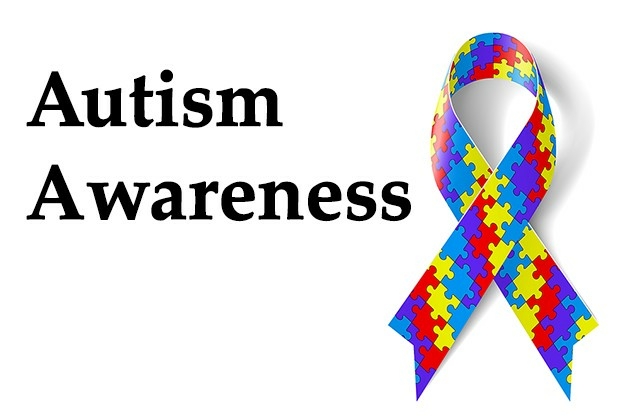
Indomie has said it is backing a cross-country cycling journey by 15-year-old autism advocate Kanyeyachukwu Tagbo, who is embarking on a Guinness World Record-bound ride from Enugu to Lagos to raise awareness about autism and promote inclusion.
Tagged ‘Journey of Possibility, #RideWithKanye’, the expedition will see the young cyclist travel across several Nigerian cities as he advocates for greater understanding and support for individuals living with Autism Spectrum Disorder and their families.
The initiative represents an official attempt to set a Guinness World Records milestone as the youngest autistic individual to complete a cross-country cycling journey. The ride is scheduled to conclude in Lagos on World Autism Awareness Day, reinforcing the global call for empathy, acceptance, and opportunity for people on the autism spectrum.
Speaking on the brand’s involvement, Group corporate communications and events manager of Dufil Prima Foods, Temitope Ashiwaju, said the initiative reflects Indomie’s enduring commitment to celebrating courageous Nigerian children and amplifying stories that inspire hope.
“At Indomie, we believe every child deserves the opportunity to dream boldly and achieve extraordinary things. Kanyeyachukwu’s journey is a powerful reminder that determination and talent can transcend limitations. We are proud to support his mission to inspire understanding, acceptance, and hope for individuals living with autism,” he said.
Indomie stated that “Kanyeyachukwu first captured national attention when he was recognised at the Indomie Heroes Awards, an initiative by Indomie that celebrates courageous Nigerian children who have demonstrated exceptional bravery, resilience, and impact in their communities.
“Since receiving the recognition, he has continued to use advocacy, creativity, and public engagement to reshape perceptions about autism and inspire conversations around inclusion.
“Through the ‘Journey of Possibility’, Kanyeyachukwu hopes to demonstrate that individuals on the autism spectrum possess extraordinary potential when given the opportunity and support to thrive.”
It added that “as a key supporter of the initiative, Indomie will provide branded cycling kits and support materials for cyclists accompanying him throughout the route, alongside financial support and brand activations at designated stops along the journey. These engagements will include community interactions aimed at educating the public, encouraging dialogue, and fostering broader participation in autism advocacy.”
Through initiatives like the Indomie Heroes Awards and its support for the ‘Journey of Possibility, #RideWithKanye’, Indomie continues to champion young Nigerians whose courage, determination, and achievements demonstrate the limitless possibilities that emerge when children are empowered to pursue their dreams.
-Leadership
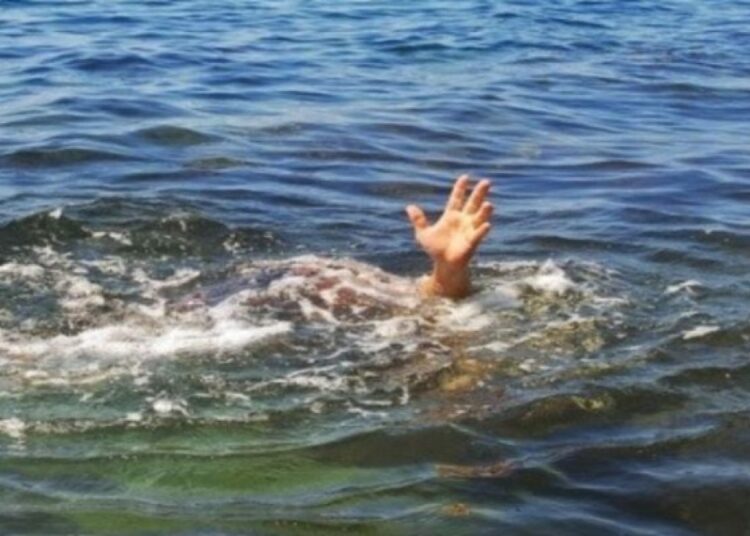
Two persons suspected to be students of the Federal Polytechnic, Nekede, Owerri, the Imo State capital, have drowned in Otammiri River in Owerri.
The incident, according to a source, occurred last Saturday.
The source said one of the deceased, Chukwudi Okwuchukwu, was a year one National Diploma Computer Science student and Igwilo, a friend of another student, who joined the swimming expedition.
However, the school authorities have denied the allegation, saying they were not aware of the incident.
An eyewitness who pleaded anonymity said four male friends came to swim in the Otammiri River and snap pictures.
According to the source, a local warned the young men not to swim, saying it was getting dark, but they refused and continued swimming.
Further, he said the swimmers who were busy being snapped pictures by their friends swam to the deep side and drowned in the process.
The school’s public relations officer, Dr Ike Ibe, said the school was unaware of the incident.
He said, “No, the school management is not aware of such an incident.”
When contacted, the SUG president of polytechnic, Destiny Nwosu, confirmed that two people drowned in the river but maintained that they had yet to be identified as students of the school.
Nwosu said, “I heard that two people drowned at the Otammiri River, but we have yet to confirm that they are students of our school. I can’t confirm whether they were Nekede Polytechnic students or from the other schools in the state, and if they were even students anywhere else.”
The president of the National Association of Imo State Students (NAISS), Nekede Polytechnic chapter, Daniel Promise, said he saw the video on social media but maintained that they had not been identified as students of Nekede Polytechnic.
He said, “Up till now, no one has confirmed the victim to be their coursemate or anything like that. I can’t confirm that they were our fellow students,” Promise said.
Meanwhile, the two corpses have been deposited at a morgue.
-Leadership
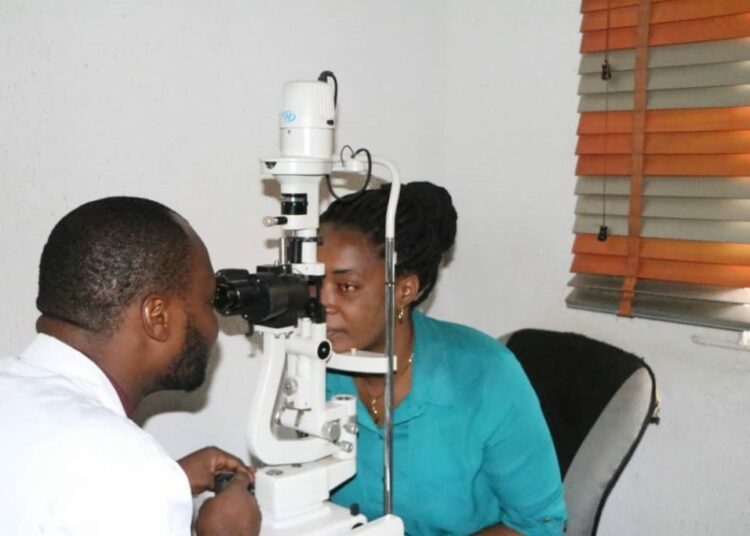
Plateau State commissioner for Health, Dr Nicolas Ba’amlong, has declared that glaucoma is the second leading cause of blindness after cataract in Nigeria.
He, therefore, called for a united push for regular eye checks, early diagnosis and affordable treatment.
The commissioner said Nigeria Blindness and Vision Impairment Survey, Prevalence of Glaucoma affects five percent of the population, adding that it accounts for 16.7 percent of blindness cases, while 5.6 percent of the affected individuals knew they had the disease and one in five persons were already blind at diagnosis.
He maintained that the 2023 Rapid Assessment of Avoidable Blindness (RAAB) survey in Plateau State reported prevalence of blindness to be 2.7 percent which is significantly higher than the national average of 0.7 percent stressing that glaucoma accounted for 17 percent of such blindness.
The theme for this year ” Uniting for Glaucoma Free World” emphasised the power of collective action in tackling one of the leading causes of irreversible blindness. It conveys both urgency and hope highlighting that while glaucoma cannot be cured, blindness from it can often be prevented through awareness, early detection and treatment.
Dr. Ba’amlong further explained that “Glaucoma Week reminds us that protecting visions is a shared responsibility because when we unite to promote awareness, early testing and accessible treatment, we move closer to the future where no one loses his sight to glaucoma.”
-Leadership

Wike Reaffirms Nigeria–EU Ties, Moves To Reclaim Encroached Diplomatic Lands

Inspector-General Disu Submits 75-Page Framework On ‘State Police’ To Senate As Push Gains Momentum

N1.54billion Settlement: Court Frees Ex-Minister Stella Oduah, Strikes Out Case Months After She Joined APC

5 Life Lessons from Manchester City EPL Current woes

Liverpool Announce Jürgen Klopp Return To The Club

MTN Teams Up With Meta To Boost WhatsApp Call Quality


-
 Health12 months ago
5 Life Lessons from Manchester City EPL Current woes
-
 Sports12 months ago
Liverpool Announce Jürgen Klopp Return To The Club
-
 Business12 months ago
MTN Teams Up With Meta To Boost WhatsApp Call Quality
-
 News12 months ago
Commonwealth Observers Prepare For Gabon Presidential Election
-

 Health12 months ago
Ponzi Scheme CEO Francis Uju Udoms of Addfx Case still Unresolved Despite SEC certification
-

 News12 months ago
Chibok Girls: 11 Years Of Anguish, Broken Promises
-

 News12 months ago
Wike’s Enviable Road Construction Method along Nyanya- Maraba Highway
-
 News9 months ago
NASRE Promises Support To Daily Times Group Business Editor, Oseni, Over Serious Road Accident