
Business
Scaling Women’s Impact: Development Bank of Nigeria, Sterling One Foundation Host WIRA Demo Day

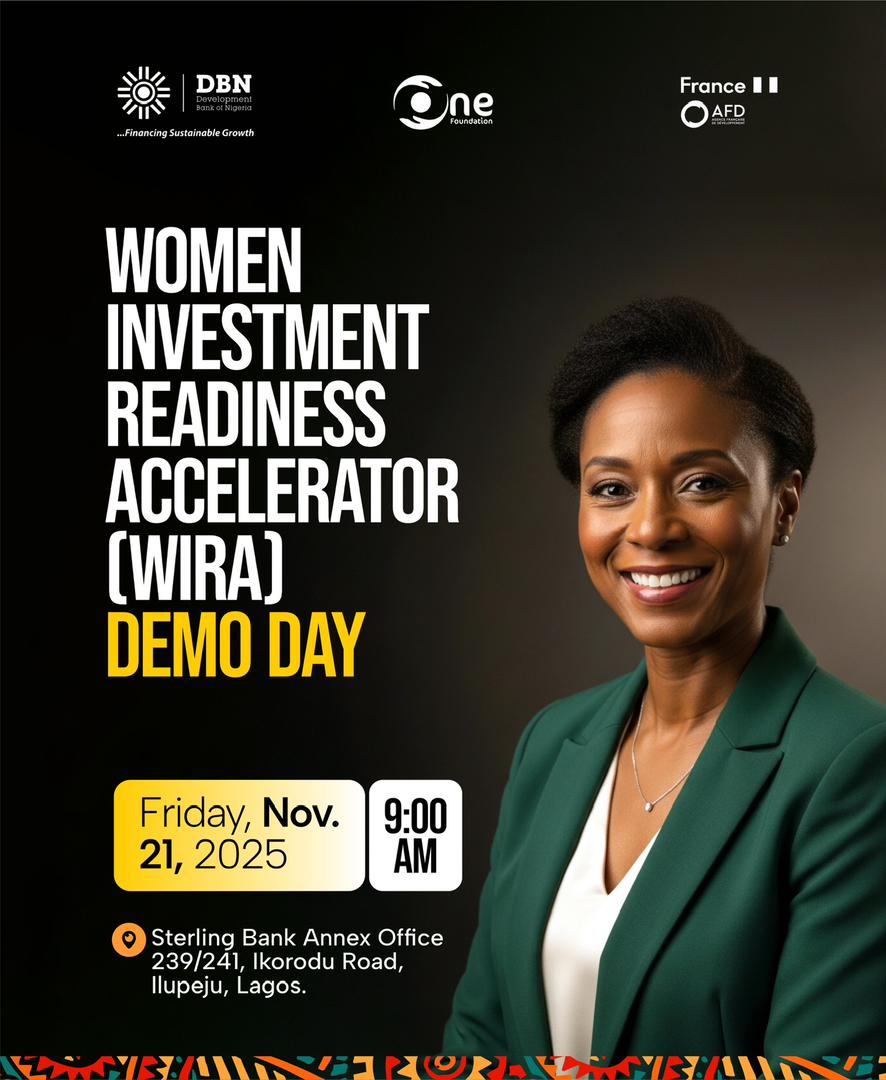
A milestone moment awaits on November 21, 2025, as Development Bank of Nigeria (DBN), with support from Agence Française de Développement (AFD), and Sterling One Foundation host the Women Investment Readiness Accelerator (WIRA) Demo Day to showcase the innovation and growth potential of women-led enterprises in Nigeria.
The Demo Day will serve as the final stage of the WIRA program, providing women
entrepreneurs who have undergone weeks of hands-on business development training,
mentorship, and investment readiness coaching the opportunity to pitch their businesses to a room of targeted investors, development finance institutions, and strategic ecosystem partners.
WIRA was launched to bridge the long-standing capacity and financing gap faced by women-led businesses in Nigeria.
Many women entrepreneurs continue to face capital, quality advisory services, market opportunities, and networks needed to scale their enterprises, despite playing a significant role in driving economic productivity and job creation.
The programme directly responds to these gaps by equipping participants with the tools, resources, and confidence to expand and sustain their businesses in competitive markets.
investing in women-led enterprises: “
Speaking ahead of the Demo Day, Dr. Tony Okpanachi, Managing Director/CEO of Development Bank of Nigeria Plc, emphasized the importance of The WIRA program represents a strong step toward unlocking the potential of women entrepreneurs who, for too long, have been underserved. At DBN, we recognize that empowering women-led MSMEs is essential for achieving inclusive economic growth.
The upcoming Demo Day is an opportunity to showcase the innovation and resilience that these women bring to the Nigerian economy, and to connect them to partners who can help bring their ideas to scale.”
Similarly, Olapeju Ibekwe, CEO of Sterling One Foundation, noted that the Demo Day reflects the Foundation’s commitment to long-term women economic empowerment: “Our goal with WIRA has been to not only build business capacity, but to expand the pathways to funding and visibility for women entrepreneurs. The Demo Day is more than a pitch event, it is a platform that elevates women’s voices, celebrates their innovation, and links them with opportunities to grow their impact. We look forward to showcasing the remarkable progress these entrepreneurs have made.”
The event will be attended by impact investors, commercial and development finance institutions, private sector partners, and stakeholders in the women entrepreneurship ecosystem.
About the Development Bank of Nigeria
Development Bank of Nigeria was set up by the Federal Government of Nigeria (FGN) in
collaboration with global development partners to address the major financing challenges facing Micro, Small and Medium Scale Enterprises (MSMEs) in Nigeria. Its objective is to alleviate financing constraints faced by MSMEs and small Corporates in Nigeria through the provision of financing and partial credit guarantees to eligible financial intermediaries on a market-conforming and fully financially sustainable basis.
For more informationvisithttps://www.devbankng.com/
About the Sterling One Foundation
Sterling One Foundation (SOF) is a registered non-profit focused on tackling the root causes of poverty in Nigeria, and Africa through interventions and social impact programmes across three critical sectors namely: health, education and climate action & food security.
Gender Equality and women empowerment are integrated as a cross-cutting priority across all our programming areas. The Foundation’s programmes adopt a central theme of prioritizing partnerships for the achievement of the Sustainable Development Goals (SDGs).
For more information visit onefoundation.ng
Chiwendu Isaiah
Public Relations, Sterling One Foundation.



Business
Tinubu Government Approves Rollout Of Electric Vehicles In Nigeria Amid Fuel Crisis, Power Failure
Earlier, the country’s Minister of Power, Adelabu Adebayo, apologised about the state of electricity, stating that some of the issues that led to the blackout were beyond government control.
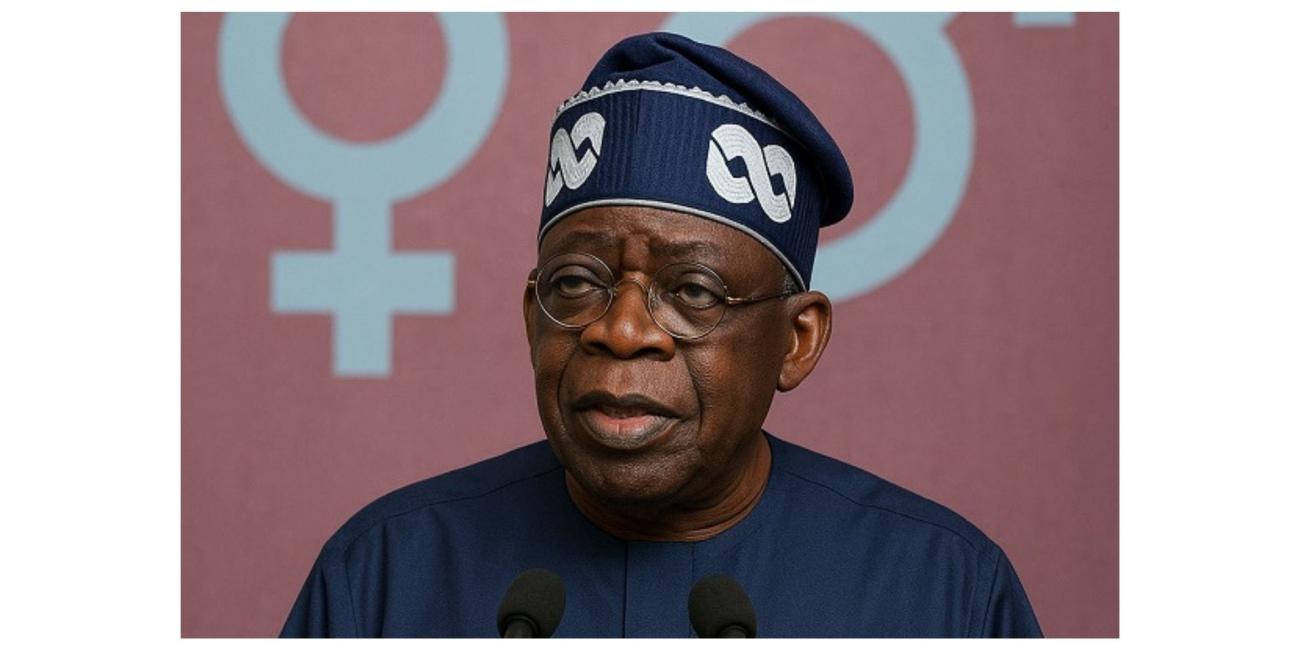
Despite Nigerians lamenting constant electricity blackout, the Bola Tinubu-led administration has announced introduction of “electric vehicles in the country.”
Earlier, the country’s Minister of Power, Adelabu Adebayo, apologised about the state of electricity, stating that some of the issues that led to the blackout were beyond government control.
Nigeria has also experienced serial grid collapses that has consistently thrown Nigeria into endless blackouts.
Amid these challenges and issues facing decent electricity available, President Bola Tinubu has approved the expansion of the mandate of the Presidential Initiative on Compressed Natural Gas (PiCNG); the initiative will now be known as the Presidential Initiative on Compressed Natural Gas and Electric Vehicles (PiCNG & EV), reflecting its broadened scope to include both gas-powered and electric mobility solutions.
The directive was conveyed in a statement issued on Thursday , March 26, 2026, by Bayo Onanuga, Special Adviser to the President on Information and Strategy.
With the approval, PiCNG & EV is expected to “lead and coordinate Nigeria’s clean mobility strategy, covering gas-driven vehicles and Electric Vehicles nationwide.”
According to the statement, the initiative will continue to drive the deployment of compressed natural gas (CNG) infrastructure, including “Mother and Daughter Stations, Integrated Refuelling Units, CNG vehicles and equipment, and nationwide conversion programmes.”
It will also “anchor the development and rollout of electric vehicles, EV charging infrastructure, and related investments nationwide.”
The presidency noted that gas remains “a competitive and strategic fuel for transportation,” leveraging Nigeria’s abundant natural resources to reduce costs, enhance energy security, and conserve foreign exchange.
It added that “the inclusion of electric vehicles further strengthens the government’s agenda for affordable, efficient, and environmentally responsible mobility.”
President Tinubu has also directed the Executive Chairman of PiCNG & EV to “immediately establish a coordinated process for the rapid deployment of vehicle conversion kits across the country” and ensure that the kits are accessible to Nigerians “at a cost that is not burdensome.”
To achieve this, the initiative will collaborate with CreditCorp Nigeria, financial institutions, and other relevant partners to design cost-effective financing structures that will make vehicle conversions widely accessible.
The President further directed “the accelerated deployment of Mobile Refuelling Units (MRUs) to expand access to CNG while permanent infrastructure continues to scale.”
-Sahara
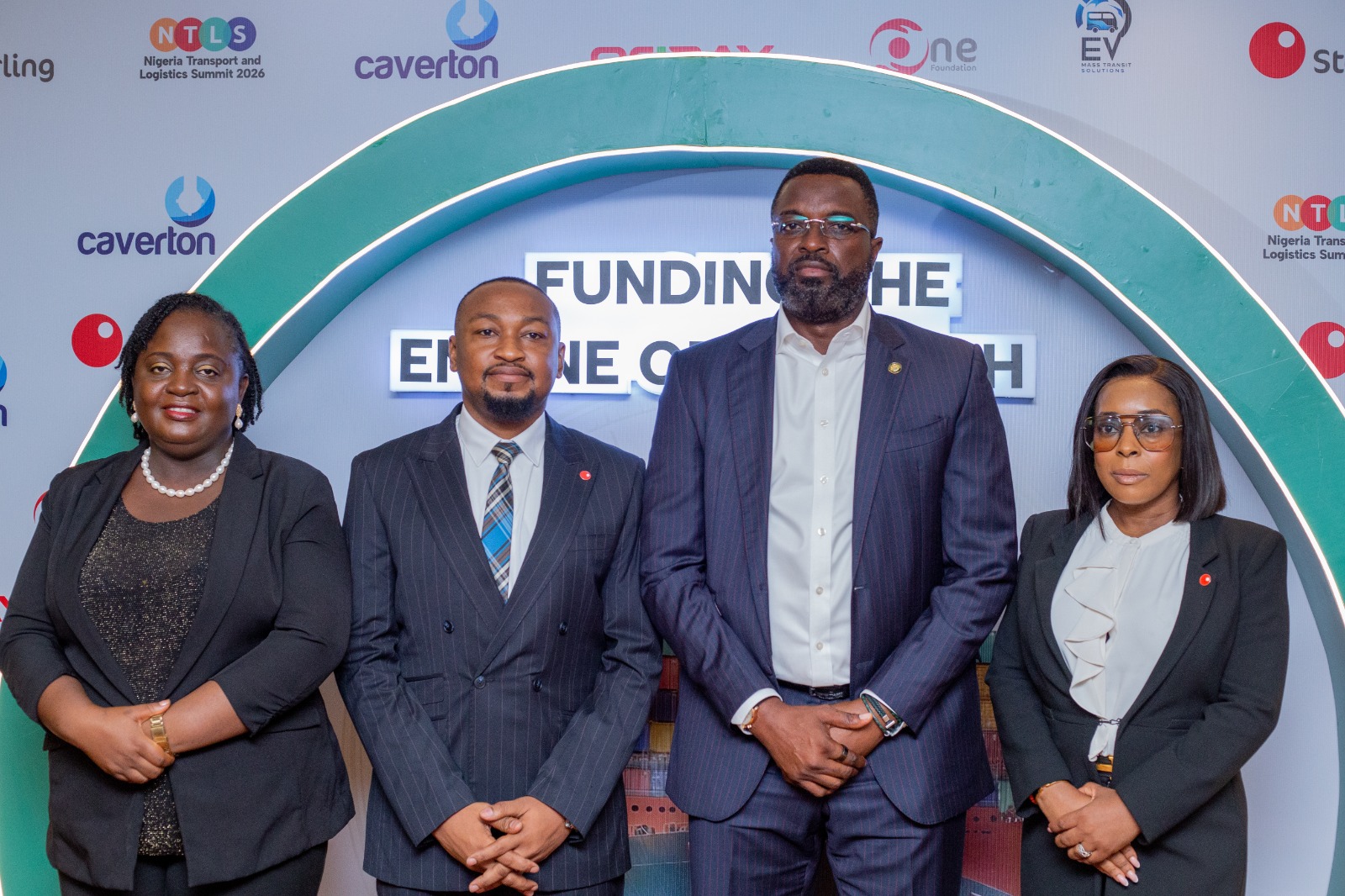
Lagos, Nigeria, Industry leaders, policymakers, financiers, and innovators convened in Lagos today for the inaugural Nigeria Transport & Logistics Summit (NTLS) 2026, hosted by Sterling Bank at Eko Hotel & Suites, to forge actionable strategies for building a faster, more connected Nigeria through transport, mobility, and logistics.
Held under the theme “Funding the Engine of Growth,” the summit positioned Nigeria’s transport and logistics sector as a critical but under-leveraged driver of productivity, regional integration, and economic growth. Transport, mobility, and logistics collectively form the backbone of the Nigerian economy, yet chronic underinvestment, infrastructure deficits, and limited access to financing have long constrained its potential.
Transport, mobility, and logistics collectively form the backbone of Nigeria’s economy. While the logistics sub-sector alone contributes approximately ₦1 trillion to national GDP, experts estimate that the broader transport and logistics market exceeds ₦15 trillion in potential value. Yet persistent infrastructure gaps, inefficiencies, financing constraints, and policy fragmentation continue to limit the sector’s full impact.
NTLS 2026 brought together senior government officials, regulators, infrastructure operators, investors, development partners, and private sector leaders to address critical priorities including multimodal connectivity, airport and road modernization, energy-efficient mobility, digital trade facilitation, and innovative financing frameworks.
Speaking at the summit, Sterling Bank’s Managing Director and CEO, Mr. Abubakar Suleiman, represented by Sterling One Foundation CEO, Mrs. Olapeju Ibekwe, called for urgent, coordinated action to fix the systems that move Nigeria’s economy forward.
He emphasized that while Nigeria’s transport and logistics challenges, ranging from port congestion to inefficient corridors and high operating costs, are well documented the real opportunity lies in effective execution.
“We must move beyond diagnosing the problem to building integrated, modern logistics systems that can power productivity at scale. This means fixing our ports, strengthening logistics corridors, improving road and rail connectivity, and embedding efficiency across the value chain.”
“Nigeria’s competitiveness, both regionally and globally will increasingly depend on how effectively we move goods, people, and services. The time for incremental change has passed; what is required now is bold, coordinated execution across public and private sectors,” Abubakar concluded.
Also speaking at the event, the Divisional Head, Renewable Energy, Mobility and Tourism at Sterling Bank, Mr. Darlington Nwankwo, described logistics as the backbone of trade, industry, and national competitiveness.
He noted that while the sector contributes just under four percent to Nigeria’s GDP, estimated at approximately ₦15trillion, its true economic impact is significantly larger when viewed as an enabler of productivity across agriculture, manufacturing, and trade.
“We must be deliberate about fixing the logistics backbone of the economy if we are to unlock the growth we need. Nigeria’s trade competitiveness is directly linked to the efficiency of its logistics corridors, from ports to inland distribution networks.”
“At Sterling, we see our role as connecting capital to execution, designing financing solutions that do not just fund infrastructure but unlock entire value chains. This includes supporting multimodal transport systems, enabling cleaner mobility solutions, and partnering with both government and private sector players to reduce investment risk. The opportunity before us is not just to fix what is broken, but to build a logistics ecosystem that is faster, more efficient, and globally competitive.”
Lagos State Commissioner for Transportation, Mr. Oluwaseun Osiyemi, echoed the call for bold ideas, strategic investments, and forward-looking policies, describing the summit as a vital platform to shape the future of movement, trade, and connectivity in Nigeria. He urged policymakers to move swiftly from planning to implementation, called on investors to support infrastructure and innovation, and encouraged industry leaders to champion efficiency, sustainability, and accountability.
In his keynote address, Professor Biodun Adedipe grounded these ambitions in hard realities, noting that with nearly 90 percent of Nigeria’s logistics dependent on road transport, the country faces mounting congestion and maintenance costs that demand diversification into rail and more durable infrastructure. He cautioned that economic transformation requires patience, with meaningful results unlikely to materialise in under 18 months.
Panel discussions throughout the day focused on reducing logistics costs, strengthening aviation and road integration, modernizing downstream energy distribution, and accelerating the adoption of cleaner and more sustainable mobility solutions.
The summit concluded with a call for sustained public-private collaboration, stronger regulatory coordination, and the creation of structured financing vehicles to de-risk infrastructure investments.
As Nigeria seeks to strengthen its regional trade position and unlock non-oil export growth, NTLS 2026 marks a decisive step toward building a more integrated, resilient, and globally competitive transport and logistics ecosystem.
About Sterling Bank
Sterling Bank Limited is a full-service national commercial bank in Nigeria and a member of Sterling Financial Holdings Group. With a heritage of more than 60 years, the bank has evolved from Nigeria’s pre-eminent investment banking institution to a trusted provider of retail, commercial, and corporate banking services.
Sterling is a forward-thinking financial institution committed to transforming lives through innovative solutions, exceptional service, unwavering integrity, and a steadfast focus on its HEART strategy, which centers on Health, Education, Agriculture, Renewable Energy, and Transportation. As pioneers in digital banking and financial inclusion, Sterling continues to lead by example, showing how purpose-driven leadership can deliver transformative outcomes for individuals, businesses, and society at large.
Guided by a culture of innovation and a passion for excellence, Sterling Bank remains dedicated to redefining the banking experience for millions of customers across Nigeria.
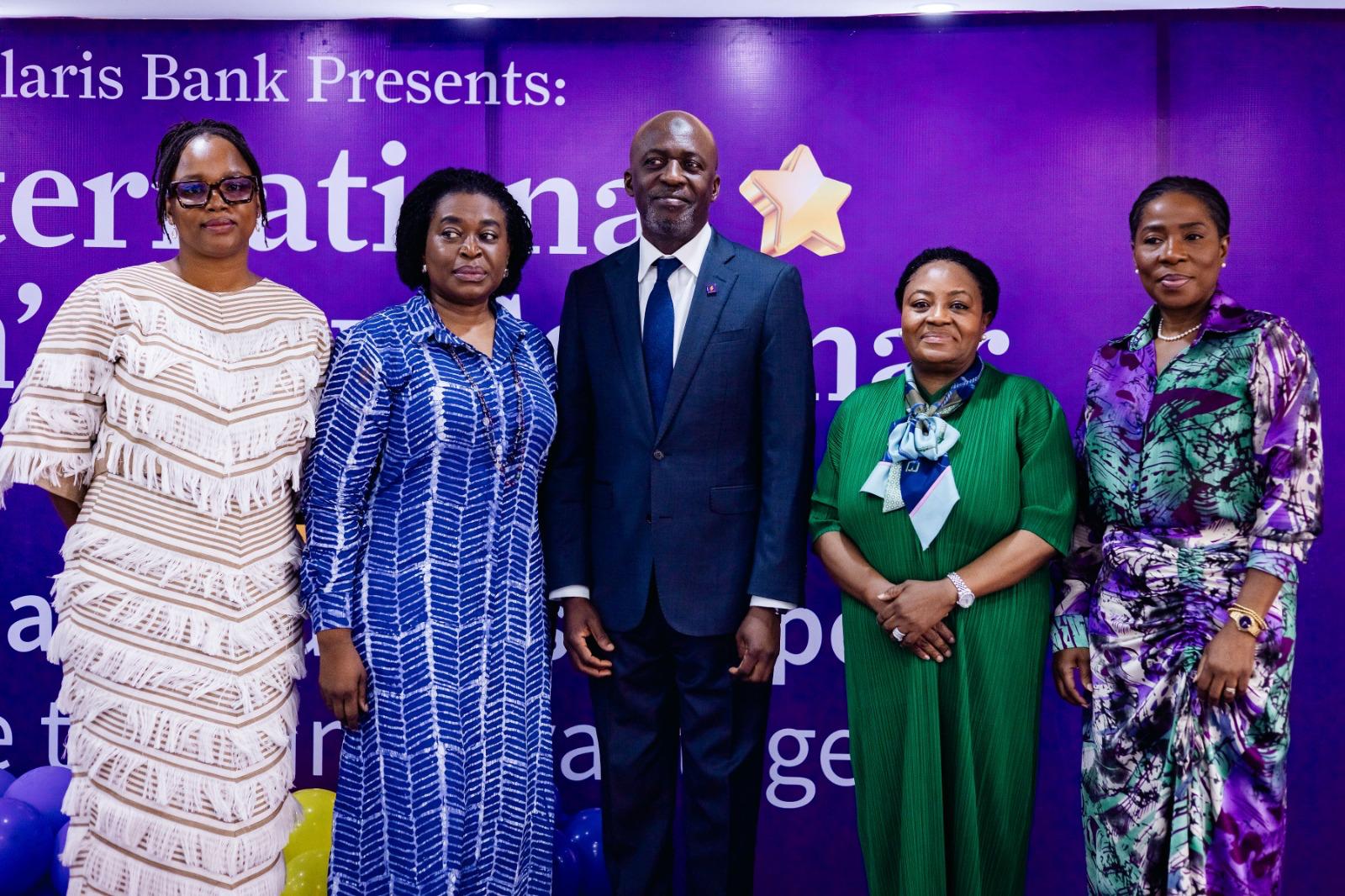
Polaris Bank has reinforced its commitment to deepen gender equity as a business and growth imperative during its 2026 International Women’s Day (IWD) event, spotlighting sustained investments in women’s empowerment, financial inclusion, and leadership development. In line with this year’s theme, “Give to Gain,” highlighting a call to action for accelerating gender equality through generosity, collaboration,and investment in women. The speakers emphasized intentional contribution as a catalyst for collective progress.
Speaking at the event, the Managing Director/CEO, Kayode Lawal, underscored the strategic value of the theme, “Gender Equity as a Business Imperative: The Give to Gain Advantage.” He noted that investing in women delivers measurable returns for institutions and economies alike.
According to Lawal, empowering women remains a core pillar of Polaris Bank’s long-term strategy, reflected in its support for women-led businesses through targeted financing, enterprise advisory and capacity-building initiatives.
The Polaris CEO also highlighted the Bank’s sustained advocacy in breast cancer advocacy and screening and early detection, as well as its contributions to girl-child education and inclusive workplace policies.
He added that the Bank’s flagship proposition, *Polaris Pearl*, continues to provide tailored financial solutions and growth platforms for women professionals and entrepreneurs. He called for more deliberate action across sectors, stressing that inclusive systems ultimately drive stronger institutions and societies.
Delivering keynote insights, Tomi Somefun, the immediate past MD/CEO of Unity Bank described gender equity as a critical lever for organizational performance, urging institutions to move beyond rhetoric to structured action.
She emphasized that enabling women to contribute fully is not a social obligation but a pathway to better decision-making, innovation, and long-term resilience.
Also speaking, Belinda Nkechi Indinmachi, a social entrepreneur challenged the GenZs to adopt a more strategic approach to value creation, noting that purposeful contribution and long-term thinking are essential for sustainable career and business growth. She encouraged professionals to view “giving” as an investment that yields tangible returns over time.
In her remarks, Polaris Bank’s Executive Director, Corporate & Investment Banking, Abimbola Ozomah, reiterated that the Bank’s focus on women empowerment extends beyond symbolic observance. She noted that initiatives such as the Polaris Women Connect platform are deliberately designed to prepare female professionals for leadership through mentorship, knowledge-sharing, and exposure to industry leaders.
Earlier, Bukola Oluyadi, Group Head, Customer Experience & Value Management, set the tone for the engagement, highlighting the importance of collaboration and intentional support systems in driving collective success.
The event also showcased Polaris Bank’s measurable impact in advancing women’s economic participation, including the disbursement of over ₦1 billion in funding to female entrepreneurs, alongside continued investments in financial literacy and enterprise development.
Polaris Bank reaffirmed that its commitment to empowering women remains anchored on deliberate action and inclusive growth strategies that position women as key drivers of economic transformation.
Photo caption:
L-R; Belinda Nkechi Idinmachi, Entrepreneurship Specialist, ALX Founder Academy; Subulade Giwa-Amu, Non- Executive Director, Polaris Bank; Kayode Lawal, Managing Director/CEO, Polaris Bank; Tomi Somefun, Former Managing Director /CEO for Unity Bank Plc, & Abimbola Ozomah, Executive Director, Corporate & Investment Banking during the International Women’s Day celebration in Lagos recently.

NFVCB Boss Urges Stronger Distribution Channels As Coal City Film Festival 2026 Opens In Enugu

Wike Reaffirms Nigeria–EU Ties, Moves To Reclaim Encroached Diplomatic Lands

Inspector-General Disu Submits 75-Page Framework On ‘State Police’ To Senate As Push Gains Momentum

5 Life Lessons from Manchester City EPL Current woes

Liverpool Announce Jürgen Klopp Return To The Club

MTN Teams Up With Meta To Boost WhatsApp Call Quality


-
 Health12 months ago
5 Life Lessons from Manchester City EPL Current woes
-
 Sports12 months ago
Liverpool Announce Jürgen Klopp Return To The Club
-
 Business12 months ago
MTN Teams Up With Meta To Boost WhatsApp Call Quality
-
 News12 months ago
Commonwealth Observers Prepare For Gabon Presidential Election
-

 Health12 months ago
Ponzi Scheme CEO Francis Uju Udoms of Addfx Case still Unresolved Despite SEC certification
-

 News12 months ago
Chibok Girls: 11 Years Of Anguish, Broken Promises
-

 News12 months ago
Wike’s Enviable Road Construction Method along Nyanya- Maraba Highway
-
 News9 months ago
NASRE Promises Support To Daily Times Group Business Editor, Oseni, Over Serious Road Accident